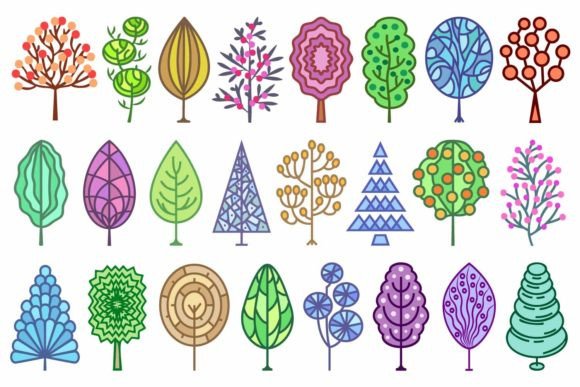
Abstract Decorative Trees: Graphics and Illustrations for Creative Publishing
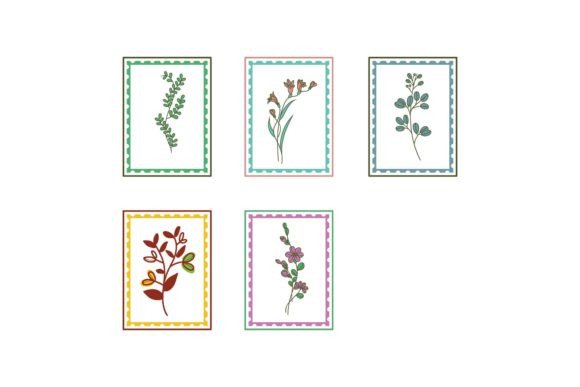
As a digital publisher and blog designer, I'm always on the lookout for high-quality graphic design assets that can elevate content visuals without overwhelming the reader. The Abstract Decorative Trees vector set of colorful trees offers a versatile and visually appealing solution for editorial design, website headers, and social media graphics. This collection of nature decorative design elements brings a fresh, artistic touch to any content project.
First Impressions: A Visual Mood for Creative Content
The first thing that stands out about Abstract Decorative Trees is its vibrant and imaginative style. These are not your typical tree illustrations—they’re abstract, colorful, and full of life. The visual mood leans toward artistic, modern design with a playful yet sophisticated edge. This makes them ideal for content niches like lifestyle blogs, creative tutorials, and digital guides that aim to inspire and engage readers.
The design elements feel both decorative and functional, making them suitable for editorial layouts where visual interest is key. Whether used as a background element or a standalone graphic, they add a sense of creativity and energy to any page.
Real-World Use Cases for Blog Graphics and Editorial Design
When preparing content for a blog or affiliate site, having reliable graphic design assets is essential. Abstract Decorative Trees can be used in a variety of publishing scenarios:
- Blog featured images – Add a unique visual hook to attract readers.
- Pinterest pins – Stand out in a crowded feed with eye-catching designs.
- Article headers – Create a strong first impression with bold, artistic visuals.
- Website banners – Enhance the aesthetic of landing pages and category sections.
- Newsletter graphics – Make email campaigns more engaging and professional.
- Lead magnets – Use them in downloadable resources like worksheets or checklists.
- Social media posts – Boost engagement with consistent and stylish visuals.
This asset is especially useful for content creators who want to maintain a cohesive visual identity across multiple platforms. It’s also great for Canva templates and digital guides, offering a ready-to-use design element that saves time and effort.
Boosting Content Performance with Strong Visual Hierarchy
Visual hierarchy is crucial for content marketing success. Abstract Decorative Trees can help create a clearer structure by guiding the reader’s eye through the page. When used strategically, these illustrations can support brand identity, improve click-through potential, and make content more shareable.
They work well as editorial accents in articles, helping break up text and keep the reader engaged. In affiliate marketing content, they can be used to highlight key points or product features without being distracting.
For small business branding, these graphics offer a way to add personality and professionalism without overcomplicating the design. They fit well into modern design trends and can be adapted to fit different color schemes and typography styles.
Where Abstract Decorative Trees Shine
These illustrations excel in situations where visual appeal is important but not overpowering. They work best as:
- Hero images – Draw attention on landing pages and homepage sections.
- Article thumbnails – Increase click-through rates with striking visuals.
- Category visuals – Help readers navigate content with clear, recognizable graphics.
- Newsletter headers – Create a polished and professional look.
- Social media previews – Make posts stand out in feeds and stories.
They are also great for content upgrades and downloadable printables, adding value to lead magnets and digital products.
Where to Use With Caution
While Abstract Decorative Trees are highly versatile, there are some situations where they may not be the best choice:
- Small mobile thumbnails – The details may get lost on smaller screens.
- Text-heavy blog images – Overloading an image with text can reduce readability.
- Low-contrast backgrounds – The colors may not stand out as intended.
- Busy layouts – Too many elements can create visual clutter.
- Serious professional niches – May not align with a more minimalist or corporate aesthetic.
It’s important to test the asset in real publishing workflows before committing to it. Always consider the context and audience when choosing design assets.
Publisher Notes: Testing and Optimization
Before using Abstract Decorative Trees in your content, here are a few practical steps to take:
- Test on desktop and mobile screens – Ensure the design scales well across devices.
- Check how it looks as a thumbnail – A small version should still be recognizable.
- Preview it inside a real blog layout – See how it interacts with other elements.
- Test it with headline text – Make sure the contrast is sufficient for readability.
- Try it in black and white – Assess how it performs without color.
- Place it beside different font styles – Ensure it complements various typographic choices.
- Review file size for web performance – Optimize for fast loading times.
- Compress images properly – Maintain quality while reducing load time.
- Confirm commercial licensing – Ensure it’s suitable for monetized websites and affiliate pages.
These steps will help you make the most of this graphic design asset and ensure it meets your publishing needs.
Final Thoughts: A Creative Asset for Modern Publishing
Abstract Decorative Trees is a valuable addition to any content creator’s toolkit. Its colorful, abstract style adds a creative flair to web design, editorial layout, and social media graphics. Whether you're working on a digital guide, lead magnet, or printable design, this vector set offers a flexible and professional solution.
By integrating these illustrations into your workflow, you can enhance the visual appeal of your content, build stronger brand identity, and create more engaging experiences for your audience. Just remember to use them thoughtfully and test them in real-world scenarios to maximize their impact.