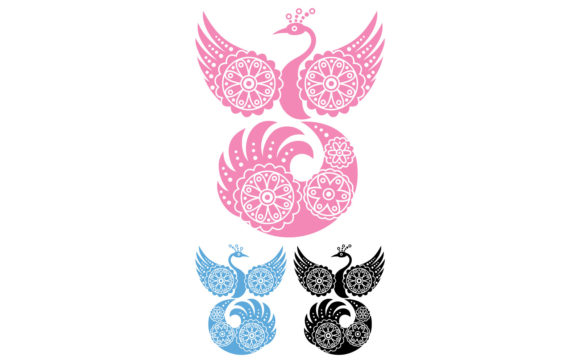
Decorative Bird
As an embroidery designer and product reviewer, I often find myself evaluating new designs with a critical eye—especially when they’re meant for real-world use. The Decorative Bird is one such design that caught my attention. It’s a simple yet elegant illustration that could fit into a wide range of projects, from custom apparel to handmade gifts. But does it hold up under the scrutiny of actual embroidery work? Let’s break it down.
The First Impression: A Bird in Flight
When I first opened the vector file, the Decorative Bird immediately struck me as a versatile piece. The shape is clean, the lines are well-defined, and the overall composition feels balanced. It has a whimsical, almost artistic flair that makes it perfect for products targeting a creative or nostalgic audience. The bird itself is stylized rather than realistic, which gives it a timeless quality that won’t go out of fashion quickly.
The layout is straightforward, making it easy to adapt for different applications. Whether you’re stitching it onto a tote bag, a baby onesie, or a patch, the design doesn’t feel cluttered or overwhelming. It’s the kind of piece that can be the focal point of a project without needing much additional embellishment.
Real-World Use: Where Does Decorative Bird Shine?
I tested the Decorative Bird on a few different fabrics and found that it works best on medium-weight materials like cotton or canvas. It’s not ideal for very thin or stretchy fabrics, as the detail might get lost or distorted during stitching. For example, if you’re planning to embroider it onto a t-shirt, you’ll want to make sure the fabric isn’t too tight or slippery.
One scenario where this design really stands out is in custom apparel. Imagine a small business owner looking to create a unique sweatshirt design for their Etsy shop. The Decorative Bird could be a great addition to a line of nature-themed clothing. Its simplicity also makes it a good candidate for applique designs, where the bird could be stitched onto a contrasting fabric for added texture.
Another practical use case is in baby items. The design is gentle and non-threatening, making it suitable for onesies, blankets, or stuffed animals. It’s also a solid choice for holiday gifts, especially around spring or Easter, when birds are a common motif.
Where to Be Cautious: Potential Pitfalls
While the Decorative Bird is visually appealing, there are some situations where it may not perform as well. For instance, if you’re working with a small hoop size, the design might be too large to fit comfortably. This could lead to stitching issues or require multiple hooping sessions, which can be time-consuming.
Additionally, the design’s detail level means it may not be the best choice for textured fabrics or dark backgrounds. If you’re planning to stitch it onto a black sweatshirt, for example, the thread color will need to contrast strongly to ensure visibility. Similarly, if you’re using it on a cap or a curved surface, you’ll need to adjust the placement carefully to avoid distortion.
Another consideration is the stitch density. If the design is too dense, it could cause the fabric to pucker or the stitches to look uneven. It’s always a good idea to test the design on scrap fabric before committing to a final project.
Design Notes for Embroidery Professionals
As someone who regularly works with machine embroidery designs, I always recommend a few key steps before using any new file. First, test the Decorative Bird on a sample fabric to see how it looks in practice. Check the thread colors against your chosen fabric to ensure proper contrast. Also, review the stitch density and confirm that the hoop size is appropriate for your machine.
If you’re planning to sell finished products or digital files, make sure to check the licensing terms. While the product description mentions that the colors can be changed in the vector file, it doesn’t specify whether the design is suitable for commercial use. That’s something to clarify before proceeding.
For those creating printable mockups or digital product previews, the Decorative Bird could be a useful asset. Its clean lines and minimalist style make it easy to integrate into various layouts and marketing materials.
Why Decorative Bird Matters for Your Business
In the world of embroidery, design choices directly impact customer perception. A well-chosen design like the Decorative Bird can elevate a handmade product, making it more attractive and valuable. It adds a touch of personality that can differentiate your offerings from generic, mass-produced alternatives.
From a branding perspective, the Decorative Bird offers consistency. It can be used across multiple product types—tote bags, patches, and even digital printables—without feeling out of place. This versatility is a big plus for small shop owners and Etsy sellers who want to maintain a cohesive aesthetic.
It also enhances giftability. People love personalized gifts, and a design like this can be easily adapted to suit different occasions. Whether it’s a birthday present, a wedding favor, or a holiday ornament, the Decorative Bird has the potential to become a cherished item.
Final Thoughts: A Design Worth Considering
The Decorative Bird is a solid addition to any embroidery designer’s toolkit. It’s versatile, visually appealing, and adaptable to a variety of projects. However, like any design, it requires thoughtful application to ensure the best results.
If you’re looking for a simple yet effective design that can be customized and used in both personal and commercial settings, the Decorative Bird is definitely worth exploring. Just remember to test it thoroughly, consider your fabric choices, and respect the design’s limitations. With the right approach, it can become a valuable part of your creative workflow.