Green Label: Graphics for Local Business Branding
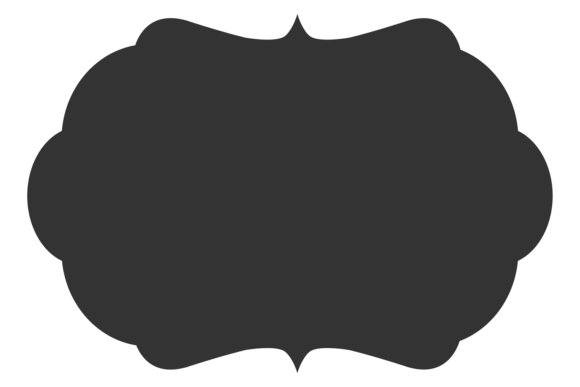
As a brand designer, I always look for graphic design assets that can elevate a small business’s visual identity without overwhelming it. Green Label. Decorative Tag Element Blan caught my attention immediately with its clean, minimalist aesthetic and versatile use cases. The blank template isolated on a white background makes it easy to integrate into various design projects, from product labels to social media graphics.
The Mood and Personality of Green Label
Green Label. Decorative Tag Element Blan exudes a sense of simplicity and elegance. Its soft curves and neutral tone suggest a friendly, approachable brand personality. This asset feels especially suited for handmade businesses, local bakeries, or boutique stores looking to convey a natural, organic vibe. It doesn’t scream for attention but instead invites curiosity and trust—key traits for any small business aiming to build a loyal customer base.
It has a modern design feel that works well in both digital and print formats. Whether used as a product label or part of a packaging design, it adds a touch of sophistication without being overly complex. For a skincare brand or a candle business, this tag element could serve as a subtle yet effective branding tool.
Real-World Applications for Green Label
Green Label. Decorative Tag Element Blan is incredibly adaptable. In a bakery project, I could use it as a hang tag on custom gift boxes or as a decorative accent on menu cards. For a coffee shop, it might appear as a sticker on reusable cups or as part of a seasonal promotional banner. Its versatility makes it ideal for product mockups, printable design elements, and even as a Canva template for quick social media graphics.
When working on a handmade soap business, I found that the tag element worked well as a thank-you card insert or a sticker on packaging. Its transparent PNG format allowed me to layer it over different background colors, making it easy to match the brand’s color palette. For a floral boutique, it could be used as a decorative border on flyers or as a visual anchor in a website banner.
Supporting Business Presentation
Using Green Label. Decorative Tag Element Blan can significantly enhance a local business’s presentation. It helps create a stronger first impression by adding a polished, cohesive look to product packaging and marketing visuals. When used consistently across different touchpoints, it reinforces brand identity and builds customer recognition.
For a food business, this asset can help establish a clear visual hierarchy. It draws attention to key information like product names or special offers while maintaining a clean, professional appearance. In a home decor shop, it could be part of a larger editorial design, helping to organize content and guide the viewer’s eye through a catalog or online store.
Where Green Label Shines
This graphic design asset excels in situations where subtlety and style matter. Product labels benefit from its clean lines, making it ideal for a small business branding project that wants to stand out without being flashy. As a hero graphic on a website or social media post, it adds a decorative touch that complements other visual elements without overshadowing them.
For seasonal campaigns, Green Label. Decorative Tag Element Blan can be adapted to fit themes like holidays, summer, or winter. Its blank template nature allows for customization, making it a valuable addition to a creative marketplace resource. It also works well as a printable design for event invitations or promotional inserts.
When to Use With Caution
While Green Label. Decorative Tag Element Blan is highly versatile, there are situations where it may not be the best choice. In formal corporate branding, its decorative nature might clash with a more serious, minimalist aesthetic. Similarly, it’s not ideal for very small labels where detail could be lost.
In crowded product packaging or layouts with a lot of text, this asset could compete with important information. It should also be avoided in areas where legal details or ingredient lists need to be clearly visible. Low-contrast backgrounds or luxury minimalist brands may find it too ornate, so careful consideration is needed before finalizing its placement.
Practical Designer Notes
Before finalizing Green Label. Decorative Tag Element Blan for a client project, I always test it on real packaging mockups. Checking how it looks in black and white is essential, especially if the business plans to print materials in monochrome. Previewing it on small labels ensures that the design remains legible at reduced sizes.
Testing it with different brand colors helps determine how well it integrates into the overall design scheme. Comparing it with competitor packaging gives insight into how unique it appears in the market. Reviewing the PNG transparency and SVG editability is also crucial for ensuring flexibility in future design updates.
Finally, confirming commercial licensing is a must. Many design assets come with restrictions, and using Green Label. Decorative Tag Element Blan for client work or physical product sales requires proper permissions. Ensuring it’s compatible with various font styles, including serif, sans serif, script, and display fonts, adds another layer of usability for different brand voices.