Decorative Trojan Horse Graphics and Illustrations
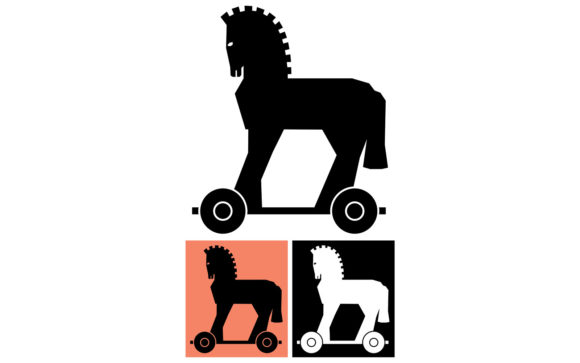
The Decorative Trojan Horse is a striking graphic design asset that offers a unique visual narrative for content publishers, bloggers, and digital marketers. This stylized illustration of the Trojan horse brings a sense of mystery, intrigue, and historical flair to any editorial project or website layout. Its bold lines and intricate details make it a compelling choice for those looking to elevate their blog graphics and web design with a touch of artistic storytelling.
First Impressions and Editorial Mood
Upon first glance, the Decorative Trojan Horse exudes a sense of dramatic tension and creative energy. The illustration is both decorative and symbolic, making it ideal for content niches that blend storytelling with visual appeal. It works well in lifestyle, art, history, and educational contexts, where a visually rich design can enhance reader engagement and convey deeper meaning.
This design asset feels modern yet timeless, offering a versatile aesthetic that can be adapted to various brand identities. Whether used in a digital guide, a downloadable printable, or a social media graphic, the Trojan horse illustration adds a layer of sophistication and visual interest that can set content apart from the competition.
Real Publishing Use Cases
The Decorative Trojan Horse is highly adaptable across multiple publishing platforms. As a blog graphic, it can serve as a featured image, article header, or category thumbnail, helping to create a cohesive visual identity for a content website. For Pinterest pins, its strong imagery makes it an effective tool for driving traffic and increasing visibility on visual search platforms.
In editorial design, this asset can act as a powerful accent piece, drawing attention to key sections of an article or newsletter. It also works well as a lead magnet or content upgrade, offering a visually appealing download that enhances user experience and encourages further engagement.
For digital guides, worksheets, and e-books, the Decorative Trojan Horse can be used as a cover element or internal graphic, reinforcing the theme and tone of the content. Its vector format ensures scalability without loss of quality, making it suitable for both print and digital use.
Supporting Content Performance
Using the Decorative Trojan Horse in content marketing efforts can significantly improve visual hierarchy and reader trust. A strong first impression is crucial for capturing attention, and this design asset delivers just that. Its clear composition and bold style help guide the viewer’s eye, making it easier to navigate through content and increasing click-through potential.
When integrated into a website header or social media post, the Trojan horse illustration reinforces brand identity and creates a more professional-looking presentation. It also supports consistent branding across different platforms, ensuring that all content visuals align with the overall aesthetic of the site or publication.
Additionally, this graphic design asset can enhance category recognition by providing a recognizable visual cue for specific content topics. It helps readers quickly identify relevant sections or posts, improving navigation and user experience.
Where Decorative Trojan Horse Works Best
The Decorative Trojan Horse excels as a hero image, article thumbnail, or Pinterest pin, where its visual impact can be fully appreciated. It also serves as a strong editorial accent, adding depth and character to newsletters, digital guides, and Canva templates.
As a downloadable printable or lead magnet, it offers value to users while maintaining a high level of design quality. Its versatility makes it an excellent choice for content upgrades, media kits, and affiliate marketing materials that require a polished and professional look.
Where to Use with Caution
While the Decorative Trojan Horse is a powerful design asset, it may not be suitable for every context. On small mobile thumbnails, its intricate details could become lost or unclear, reducing its effectiveness. In text-heavy blog images, it might compete too much with the written content, distracting the reader rather than enhancing it.
On low-contrast backgrounds or in busy layouts, the illustration may not stand out as intended. It also may not fit well in serious professional niches or corporate websites that prioritize minimalism and clean design. In such cases, a simpler or more subdued graphic may be more appropriate.
Publisher Notes and Practical Tips
Before incorporating the Decorative Trojan Horse into your content, test it on both desktop and mobile screens to ensure it remains legible and visually appealing. Preview it within a real blog layout to see how it interacts with other elements like headlines, fonts, and background colors.
Check the contrast and readability of the design when placed beside different font styles—serif, sans serif, script, handwritten, and display fonts. This will help determine how well it integrates with your existing typography and overall design scheme.
Review the file size for web performance, and compress images properly to maintain fast loading times. Confirm the commercial license before using it on monetized websites, affiliate pages, or paid content products to avoid any legal issues.
The Decorative Trojan Horse is a valuable addition to any digital publisher’s toolkit. Its stylized illustration and vector format offer flexibility, creativity, and quality, making it an essential graphic design asset for content creators, website owners, and digital marketers who want to elevate their visual storytelling and brand presence.