Retro Decorative Element: Graphics & Illustrations
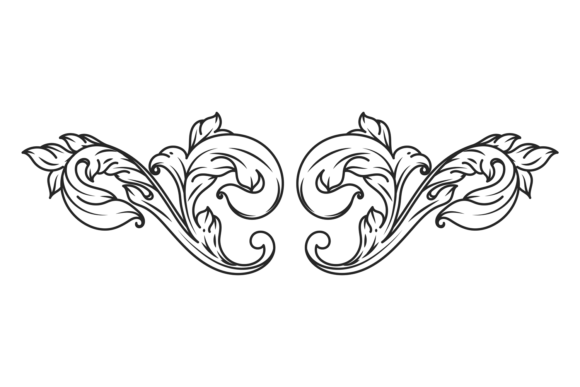
As a brand designer, I always look for elements that add character and visual interest without overwhelming the overall design. The Retro Decorative Element. Art Deco Style delivers exactly that. Its clean lines, geometric shapes, and vintage flair make it an ideal graphic design asset for small business branding, product packaging, and promotional materials.
Mood and Brand Personality
The Retro Decorative Element. Art Deco Style evokes a sense of elegance and sophistication. It feels premium yet approachable, making it perfect for businesses that want to convey a classic yet modern aesthetic. This style suggests a brand that values craftsmanship, attention to detail, and a touch of nostalgia. It works well for handmade businesses, boutique stores, and local brands looking to stand out in a crowded market.
Its bold yet balanced design can be both decorative and functional. Whether used as a border, accent, or standalone element, it adds visual interest without distracting from the main message. It’s versatile enough to fit into a variety of brand identities, from cozy coffee shops to high-end skincare brands.
Real-World Applications
This graphic design asset is incredibly useful in several areas of small business branding. For example, when working on a bakery’s packaging design, the Retro Decorative Element. Art Deco Style can be used as a corner accent on custom boxes or as a background for label graphics. It also works well on social media graphics, helping to create cohesive visual content across platforms.
For a handmade soap business, this element can be incorporated into product labels, hang tags, and even printable inserts. In a food label project, it can serve as a subtle but elegant border that elevates the overall look of the packaging. When designing for a boutique store, it can be used in window displays, signage, or promotional banners to create a unified brand identity.
The versatility of the Retro Decorative Element. Art Deco Style makes it a valuable addition to any creative marketplace. Whether you’re using it in Canva templates, web design, or editorial design, it adds a unique touch that enhances the visual hierarchy of your work.
Supporting Business Presentation
Using the Retro Decorative Element. Art Deco Style can significantly improve a business’s presentation. It helps create a stronger first impression by adding a layer of sophistication to product packaging and marketing visuals. This is especially important for small businesses trying to build customer trust and recognition in a competitive market.
When used effectively, it can also improve product recognition by creating a consistent visual language across all touchpoints. Whether it’s on a menu graphic, a flyer, or a business card, it reinforces the brand’s identity and makes it more memorable to customers.
In packaging design, this element can help differentiate a product on the shelf. It adds a decorative touch that catches the eye while maintaining a professional look. For seasonal campaigns, it can be used to create festive visuals that align with the brand’s aesthetic.
Where It Works Best
The Retro Decorative Element. Art Deco Style shines in applications where it can act as a focal point. Product labels benefit from its presence, as it adds a touch of class without overpowering the text. Packaging accents, such as corner designs or borders, can use it to elevate the overall look of the product.
It’s also ideal for hero graphics on websites or social media posts, where it can draw attention and enhance the visual appeal of the content. In promotional banners and seasonal packaging, it provides a cohesive design element that ties the entire campaign together.
For boutique visuals and social media campaign graphics, the Retro Decorative Element. Art Deco Style offers a way to create eye-catching content that aligns with the brand’s personality. It’s a great choice for businesses looking to maintain a polished and professional appearance.
Where to Use It Carefully
While the Retro Decorative Element. Art Deco Style is versatile, there are situations where it may not be the best choice. In formal corporate branding, its decorative nature might clash with a more minimalist or serious tone. Similarly, it may not work well on very small labels, where the details could get lost.
In crowded product packaging or layouts with a lot of text, it could compete with the main message. Legal information areas or low-contrast backgrounds may also make it less effective. For luxury minimalist brands, a simpler design might be more appropriate.
It’s important to test the element in different contexts before finalizing any design. This ensures that it complements the overall layout and doesn’t distract from the key information.
Designer Notes and Practical Tips
As a brand designer, I always recommend testing the Retro Decorative Element. Art Deco Style on real packaging mockups. This helps see how it looks in physical form and whether it translates well to different sizes and materials. Checking black and white usage is also important, as some elements may lose their impact without color.
Previewing it on small labels and testing it with brand colors ensures it fits within the existing palette. Comparing it with competitor packaging can help determine if it stands out in the market. Reviewing PNG transparency and inspecting SVG or vector editability is essential for flexibility in future design projects.
Testing it beside different font styles—serif, sans serif, script, handwritten, and display fonts—helps find the best combination for the brand’s voice. Confirming commercial licensing before using it for client work or physical product sales is crucial to avoid legal issues.
Overall, the Retro Decorative Element. Art Deco Style is a powerful graphic design asset that can enhance small business branding, product packaging, and promotional visuals. With thoughtful application, it can help create a more professional, cohesive, and visually appealing brand presence.